

Key Takeaways
- A PPI is performed by an independent mechanic you hire, not one chosen by the seller.
- It typically costs $100–$200 and can reveal problems worth thousands of dollars in repairs.
- A PPI complements — but does not replace — a vehicle history report.
- Most sellers of legitimate vehicles will allow a PPI; resistance can itself be a warning sign.
- Findings from a PPI can be used to negotiate a lower price or walk away confidently.
Pre-Purchase Inspection (PPI)
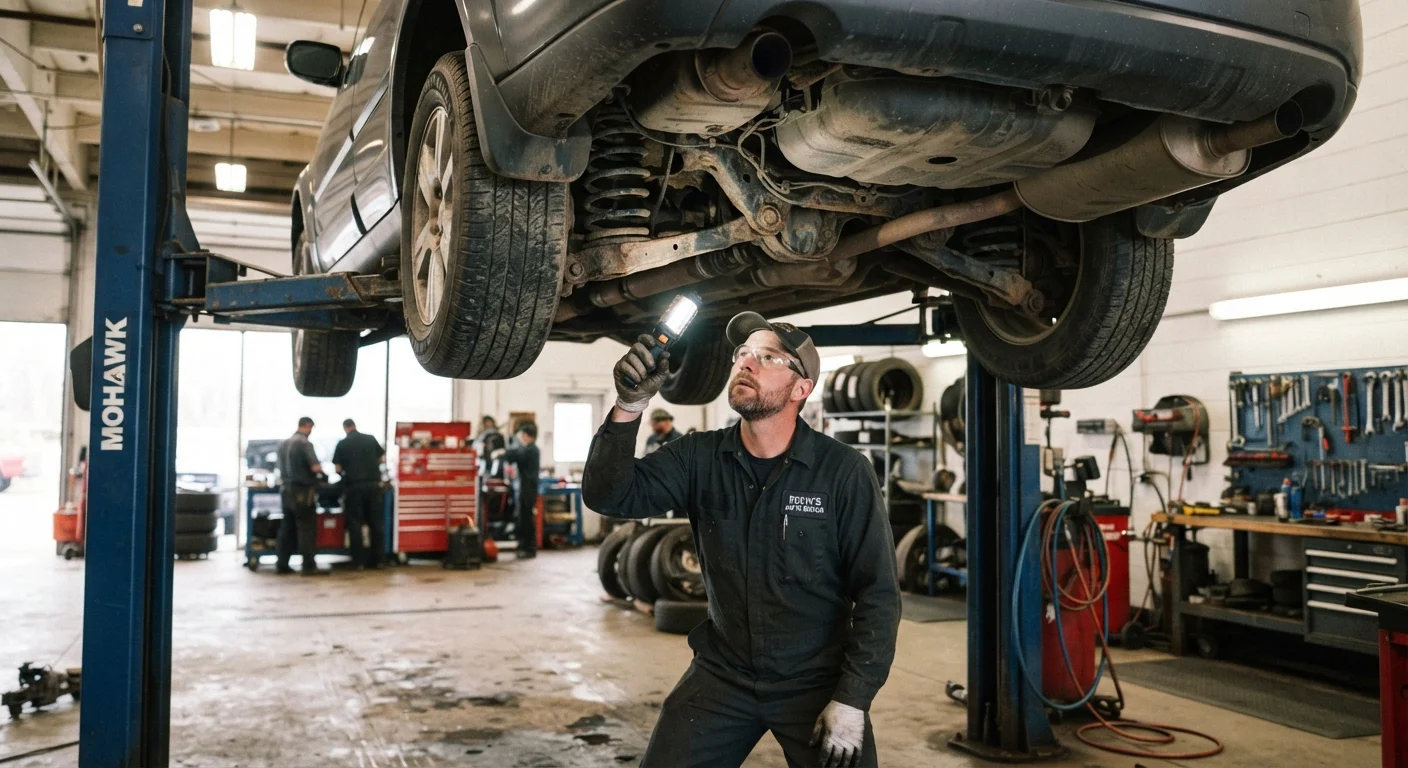
A pre-purchase inspection (PPI) is an independent mechanical evaluation of a used vehicle conducted by a qualified mechanic before you buy it. The mechanic — who works for you, not the seller — examines the car's condition and flags any existing or developing problems. The goal is to give you an objective, professional assessment so you can make an informed decision.
A PPI is distinct from a vehicle history report: a history report shows documented past events (accidents, title issues), while a PPI reveals the car's current mechanical and structural condition.
Why an Independent Inspection Changes the Equation
Buying a used car always carries some uncertainty. The seller knows the vehicle's history far better than you do, and a lot can be hidden under a fresh wash and a vacuum. A pre-purchase inspection (PPI) narrows that information gap by putting an expert in your corner before any money changes hands.
The key word is independent. The mechanic you hire works for you — not the dealership, not the private seller. That independence is what makes their assessment credible. Compare that to a cursory lot inspection by a dealer's in-house technician, which may not surface problems that would reduce the car's sale price.
If you're weighing the broader risks of buying used versus new, the trade-offs between new and used cars are worth understanding before you start shopping. A PPI is one of the primary tools that makes buying used a more manageable risk.
Arrange Your Mechanic Before You Shop
Identifying a trusted independent mechanic before you start looking at vehicles puts you in a much stronger position. When you find a car you like, you can move quickly without scrambling to find someone reputable under time pressure. Ask friends or family for referrals, or look for a shop with verified customer reviews and ASE-certified technicians.
What a PPI Actually Covers
A thorough pre-purchase inspection typically examines the following areas:
- Engine and transmission: fluid levels, leaks, signs of overheating, transmission behavior
- Brakes and suspension: pad thickness, rotor condition, shock absorbers, steering components
- Undercarriage: frame integrity, rust, leaks, exhaust system condition
- Tires: tread depth, uneven wear patterns that may signal alignment or suspension issues
- Electrical systems: lights, battery, sensors, and any dashboard warning codes read via diagnostic scanner
- Body and paint: evidence of prior collision repair, panel gaps, rust spots
- Interior: HVAC function, electronics, upholstery condition
For a detailed breakdown of what mechanics look for during this process, see what a pre-purchase vehicle inspection actually covers.
Not every mechanic performs every check, so ask upfront what's included and whether the shop will connect an OBD-II scanner (the diagnostic tool that reads stored fault codes from the car's computer).
$100–$200
Typical cost of a pre-purchase inspection
Industry estimates from mechanic associations and consumer automotive resources consistently place PPI fees in this range for standard passenger vehicles.
~40%
Used cars with undisclosed mechanical issues
Consumer advocacy research has suggested a significant portion of used vehicles have mechanical problems not disclosed at the time of sale, underscoring the value of independent verification.
How to Arrange One
The process is straightforward once you know the steps:
- Find your mechanic first. Don't wait until you're in love with a car. Identify a trusted independent shop before you start seriously looking.
- Ask the seller's permission. For a private sale, this is a direct conversation. For a dealership, most will accommodate the request — note that reluctance to allow an inspection is a warning sign worth taking seriously.
- Schedule and transport the vehicle. Either drive the car to the shop yourself (with the seller's knowledge) or arrange for the seller to deliver it. Never pay for the vehicle before the inspection is complete.
- Review the written report. Get findings in writing, including any diagnostic codes. A good mechanic will walk you through what's urgent, what's minor, and what can wait.
Pair this step with your own visual and mechanical check — a practical pre-negotiation checklist can help you spot obvious issues before you even book the inspection appointment.
Using the Inspection Results Strategically
A PPI report isn't just a pass/fail document — it's a negotiating tool. If the mechanic finds $800 worth of brake work and a leaking valve cover gasket, those are real, quantifiable costs you can bring to the table.
Common outcomes after a PPI:
- Clean report: Proceed with confidence, knowing you paid for certainty.
- Minor issues: Negotiate the price down or ask the seller to address specific items before closing.
- Major problems: Walk away. A car with significant hidden issues rarely becomes a good deal just because you like how it looks.
It's also worth combining the PPI with a vehicle history report — together, they cover both the car's past and its present condition. If you're considering a certified pre-owned vehicle and wondering whether the manufacturer's inspection makes a private PPI redundant, CPO programs have real value but also real limitations that are worth understanding.
PPIs Don't Cover Everything
A pre-purchase inspection is a snapshot of the car's visible and accessible condition on a single day. A mechanic can't predict future failures or see inside sealed components like the transmission valve body. Even a clean PPI doesn't guarantee trouble-free ownership — it significantly reduces your risk, but some uncertainty is inherent in any used vehicle purchase.