

Key Takeaways
- A PPI is conducted by an independent mechanic, not the seller's shop, to avoid conflicts of interest.
- Inspections typically cover the engine, transmission, brakes, suspension, body, and electrical systems.
- A PPI can reveal hidden damage or deferred maintenance that a seller may not disclose.
- The cost of an inspection is generally modest compared to a surprise repair bill after purchase.
- PPI findings can be used as leverage in price negotiations.
- Even certified pre-owned vehicles can benefit from an independent inspection.
Pre-Purchase Vehicle Inspection
A pre-purchase vehicle inspection (PPI) is an independent mechanical evaluation of a used car performed by a qualified mechanic before you commit to buying it. The mechanic looks for existing problems, deferred maintenance, and signs of prior damage that a seller may not disclose. The goal is to give you an objective picture of the vehicle's true condition so you can make an informed decision.
A PPI is distinct from a vehicle history report — it examines the physical condition of the car rather than its documented ownership or accident records. Both tools together provide the most complete picture.
What the Mechanic Actually Checks
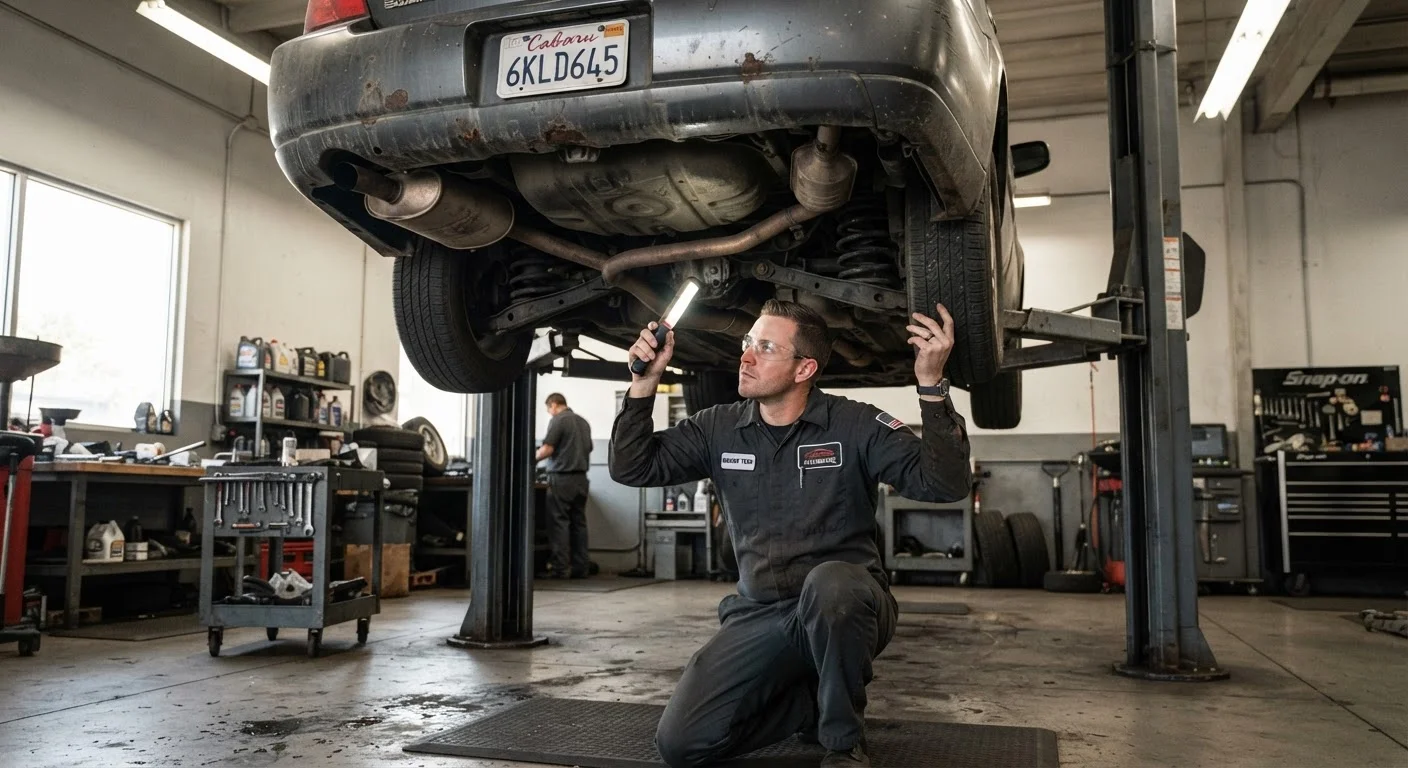
A pre-purchase inspection is not a quick walk-around. A qualified mechanic will methodically work through the vehicle from top to bottom, using a lift where available. Here's what a thorough PPI covers:
- Engine and drivetrain: The mechanic checks for oil leaks, coolant condition, belt wear, and signs of overheating or head gasket failure. Transmission fluid color and smell are evaluated, and the mechanic listens for unusual noises during operation.
- Brakes and suspension: Brake pad and rotor wear are measured. Suspension components — shocks, struts, ball joints, and tie rods — are inspected for play, wear, or damage that would affect handling and safety.
- Body and frame: Panel gaps, paint inconsistencies, and rust are examined. Uneven gaps or mismatched paint can indicate prior collision repair. Structural components are checked for signs of bending or welding.
- Electrical systems: Lights, power windows, HVAC, and infotainment are tested. A diagnostic scan tool is often used to pull any stored fault codes from the vehicle's computer.
- Tires and wheels: Tread depth, uneven wear patterns, and wheel condition are assessed. Irregular wear can point to alignment or suspension problems.
- Fluids and filters: Coolant, brake fluid, power steering fluid, and engine oil are all checked for level and condition.
The mechanic typically produces a written report summarizing findings by severity — what needs immediate attention, what to monitor, and what is in acceptable condition.
Test Drive Before the Inspection
Drive the car yourself before handing it to a mechanic. Cold-start behavior, transmission shifts, brake feel, and any odd sounds are easier for you to notice as the driver than for a mechanic doing a static inspection. Pass those observations along when you drop the car off — it gives the mechanic specific areas to focus on.
How a PPI Fits Into the Broader Buying Process
A pre-purchase inspection works best when combined with other due-diligence steps. Before scheduling the PPI, it makes sense to run a vehicle history report — checking for title brands, odometer discrepancies, and accident records. You can learn more about interpreting those records in our guide on reading a vehicle history report without missing the red flags.
The PPI itself should come after your own visual check of the car. Doing a systematic walk-around first — covering the body, interior, engine bay, tires, and a test drive — helps you flag concerns to the mechanic before they even start. Our pre-negotiation checklist for used cars walks through that process step by step.
For context on how a PPI differs from routine maintenance checks, our overview of what a full car service actually includes explains what mechanics examine during scheduled servicing. The two serve different purposes: a service maintains a car you already own; a PPI evaluates one you're considering buying.
The full car-buying sequence — from setting a budget to signing paperwork — is covered in our plain-language car buying walkthrough.
Choose an Independent Shop, Not the Seller's
Always have the inspection performed by a mechanic who has no relationship with the seller. Ask a trusted local shop or, if buying in an unfamiliar city, look for an ASE-certified (Automotive Service Excellence) facility. The mechanic's only job is to give you an honest assessment — not to help close a deal.
Why Skipping the Inspection Carries Real Financial Risk
The most common reason buyers skip a PPI is time pressure — a seller who creates urgency or a deal that seems too good to pass up. That pressure is exactly when an independent opinion matters most.
$100–$200
Typical cost of a pre-purchase inspection
Industry estimates from auto consumer guides suggest most independent PPIs fall in this range, varying by location and vehicle type.
$5,500+
Average cost of a transmission replacement
Repair cost data from automotive service databases consistently place automatic transmission replacement among the most expensive single repairs a vehicle owner can face.
A problem invisible during a casual test drive — a failing automatic transmission, a cracked engine block, or hidden frame damage — can cost several thousand dollars to address. An inspection fee measured in the low hundreds is straightforward insurance against that outcome.
Inspection findings also create negotiating room. If the mechanic identifies $800 worth of deferred maintenance, you have documented grounds to request a price adjustment or ask the seller to complete the work. Without the inspection, you carry that cost unknowingly.
If you are weighing whether a certified pre-owned vehicle makes an inspection unnecessary, our comparison of CPO vs. standard used car programs explains what CPO inspections do and don't cover — and why an independent check can still be worthwhile.
This article is for general informational purposes only and does not constitute financial or legal advice. Consult a qualified mechanic and review any vehicle's full documentation before making a purchase decision.