
Sunscreen Every Day: The Science Behind Why Dermatologists Rarely Waver on This

Key Takeaways
- UV radiation causes cumulative skin damage whether or not you feel a burn.
- Both UVA and UVB rays are present year-round, including on overcast days.
- Broad-spectrum SPF 30 or higher is the standard dermatologists widely recommend.
- Reapplication every two hours during sun exposure is as important as the initial application.
- Sunscreen works best as part of a complete skin-protective routine, not as a standalone fix.
Why UV Damage Doesn't Wait for Sunny Days
One of the most persistent misconceptions in skincare is that sun protection only matters on bright, hot days. In reality, ultraviolet radiation reaches skin regardless of cloud cover or season. UVA rays — which penetrate deeply into the dermis — pass through glass and clouds with very little reduction. UVB rays, which cause the visible redness of sunburn, vary more with season and angle of the sun, but remain present throughout the year at levels capable of causing cellular damage.
The distinction matters because UVA damage is largely invisible in real time. It degrades collagen and elastin fibers, accelerates the formation of fine lines, and contributes to uneven pigmentation — all processes that accumulate over years and decades before becoming outwardly apparent. Research into what dermatologists call photoaging consistently shows that UV exposure is responsible for the majority of visible skin aging, independent of intrinsic biological aging.
For a closer look at how external aggressors — including UV radiation — affect the skin's foundational defenses, see our article on the skin barrier and what keeps it intact.
Cloud Cover Doesn't Mean UV-Free
Up to 80% of UV radiation can penetrate light cloud cover, according to the World Health Organization. This means a grey, overcast morning still delivers meaningful UV exposure to unprotected skin. Indoor environments near windows present a similar consideration, particularly for UVA rays, which pass through standard glass. Building the sunscreen habit independent of weather conditions is the key insight here.
The Science of SPF: What the Numbers Actually Mean
SPF, or Sun Protection Factor, measures how much UVB radiation a product filters relative to unprotected skin. An SPF 30 product, applied correctly, allows roughly 1/30th of UVB rays to reach the skin — a reduction of about 97%. SPF 50 blocks approximately 98%. The difference in percentage may seem marginal, but for individuals with higher photosensitivity or those spending extended time outdoors, that gap is clinically meaningful.
The term broad-spectrum on a label indicates that the formula also offers UVA protection. In the United States, the FDA requires sunscreens to pass a specific test before making that claim. Because UVA rays are tied so directly to photoaging and skin cancer risk, broad-spectrum protection is the standard recommended by dermatological organizations, not just a marketing distinction.
90%
Visible skin aging attributed to UV exposure
According to research published in dermatology literature, approximately 90% of visible skin aging is associated with cumulative UV radiation exposure rather than intrinsic biological aging.
97%
UVB rays blocked by SPF 30
The US FDA's framework for SPF ratings indicates that SPF 30, when applied at the tested dose, filters approximately 97% of UVB radiation reaching the skin.
Mineral and chemical sunscreens work through different mechanisms. Mineral filters — primarily zinc oxide and titanium dioxide — sit on the skin surface and physically scatter UV rays. Chemical filters absorb UV energy and convert it to heat. Both types are considered effective when formulated to an appropriate SPF. Neither category is universally superior; the right choice often comes down to skin type, texture preference, and how products are worn under makeup or other skincare.
Best Practices for Daily Sunscreen Use
Knowing why SPF matters is only half the equation. Application habits determine whether a product performs as its SPF rating suggests.
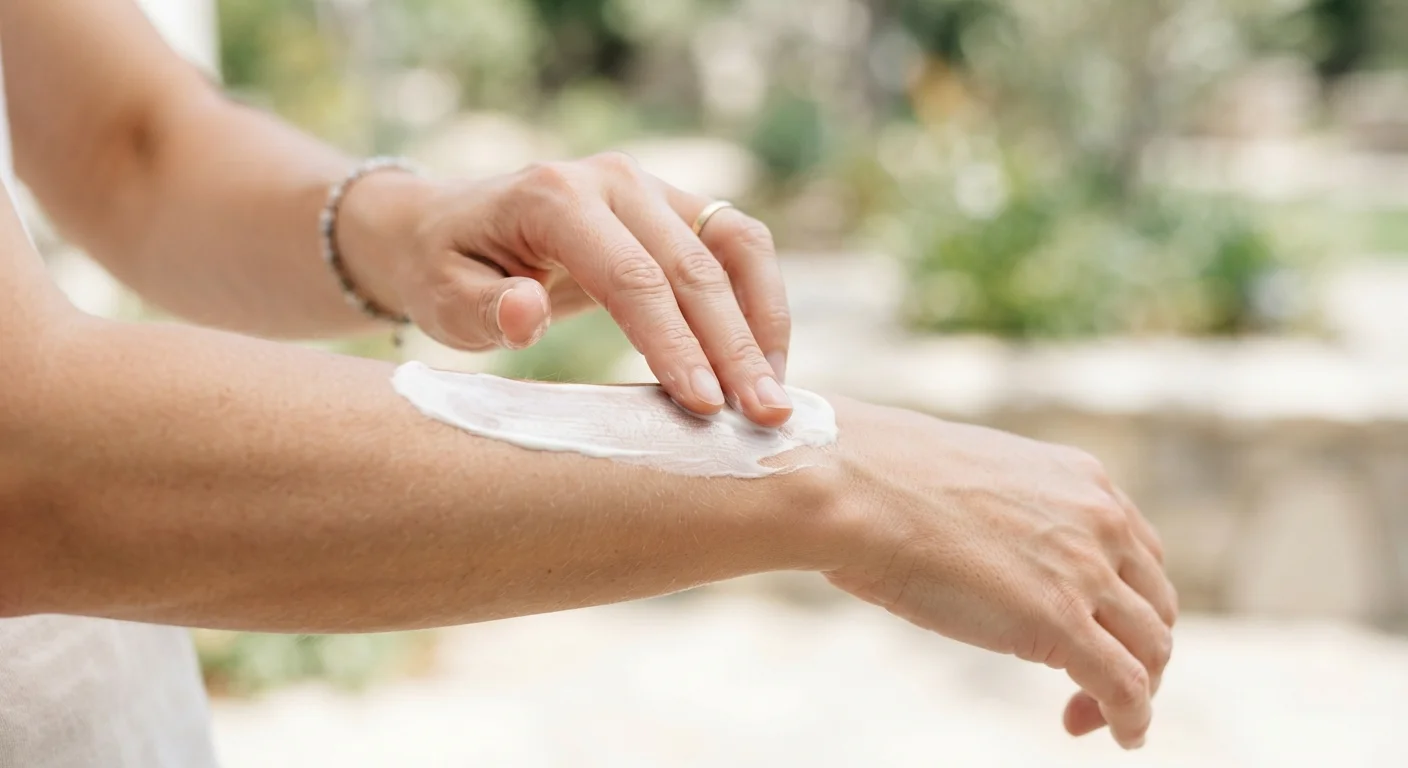
Apply a nickel-sized amount of sunscreen to the face and a full shot glass worth to exposed body skin.
Studies show most people apply only 25–50% of the amount used in SPF testing, which dramatically reduces effective protection. Volume matters as much as the SPF number itself.
Reapply every two hours when outdoors, and immediately after swimming or sweating.
SPF degrades with UV exposure, water, and physical activity. A morning application does not last the entire day. Reapplication restores the protective film.
Choose broad-spectrum SPF 30 or higher as your baseline, and SPF 50 for high-exposure situations.
SPF 30 is the minimum threshold endorsed by major dermatological bodies for daily use. Higher SPF offers a meaningful buffer for outdoor activities, high-altitude environments, or photosensitive skin.
Apply sunscreen as the final step before makeup, not after.
Sunscreen needs direct contact with skin to form an effective protective layer. Applying it over makeup dilutes coverage and can disturb the formula's film integrity.
Don't rely solely on SPF-containing makeup or moisturisers for your full protection.
Products with SPF ratings are useful supplementary protection, but the amount applied in typical makeup use is far below what's needed to achieve the stated SPF. A dedicated sunscreen should underpin the routine.
Integrating sunscreen into a structured routine also matters. If you're building or refining a daily regimen, our guide to a minimal skincare routine that actually works outlines where SPF fits alongside other core steps. For product-layering specifics — including where sunscreen sits relative to moisturiser and serum — layering skincare products in the right order covers the logic in detail.
Making It a Habit: Quick Wins for Consistent SPF
Consistency is the variable that separates occasional sun protection from meaningful long-term skin health. These starting points can reduce the friction that leads to skipped applications.
“The most important anti-aging product you can use is sunscreen. It's the one intervention with the most robust evidence behind it, and it works for everyone.”
— Henry W. Lim, Former President, American Academy of Dermatology; Senior Vice President for Academic Affairs, Henry Ford Health System
It's also worth noting that sunscreen is not just a concern for people with fair or sensitive skin. UV radiation affects all skin tones, and while darker skin contains more melanin — which provides some natural UV filtering — it does not eliminate the risk of photoaging or UV-related skin changes. Inclusive sun protection is grounded in the same underlying biology across all skin types. For those who haven't yet made SPF part of their grooming ritual, the case is just as clear: see why sunscreen belongs in a daily grooming routine for a practical entry point.
This article is for general informational purposes only and does not constitute medical or dermatological advice. Consult a qualified dermatologist or healthcare professional for guidance specific to your skin type, condition, or concerns.