

Key Takeaways
- A wellness exam is far more than a quick weigh-in — it includes a full physical assessment of multiple body systems.
- Vets use these visits to detect problems like heart murmurs, dental disease, and weight changes before symptoms appear.
- Vaccination needs, parasite prevention, and nutrition are all reviewed and updated during the visit.
- Senior pets typically benefit from more frequent exams as their health needs shift more rapidly.
- Bringing a list of questions and a recent stool sample can make the appointment more productive.
Annual Wellness Exam
An annual wellness exam — sometimes called a routine checkup or preventive care visit — is a scheduled appointment where a veterinarian evaluates your pet's overall health from nose to tail. Unlike a sick visit, it focuses on prevention: catching early warning signs, keeping vaccinations current, and establishing a health baseline. Most veterinarians recommend at least one exam per year for adult pets, with more frequent visits for puppies, kittens, and seniors.
Because pets age faster than humans, one calendar year can represent several years of physiological change, which is why some veterinary guidelines suggest biannual wellness exams for pets over seven years of age.
The Physical Exam: A Head-to-Tail Assessment
The foundation of every wellness visit is the physical examination. Working systematically, a veterinarian evaluates each body system for signs of change or concern. This typically includes:
- Eyes and ears: Checked for discharge, inflammation, infection, or early signs of conditions like cataracts or ear mites.
- Mouth and teeth: The vet assesses gum color, tartar buildup, tooth integrity, and signs of periodontal disease. Dental health has systemic consequences that extend well beyond the mouth.
- Lymph nodes and skin: Enlarged nodes may indicate infection or immune response; the skin and coat reflect nutritional status and overall health.
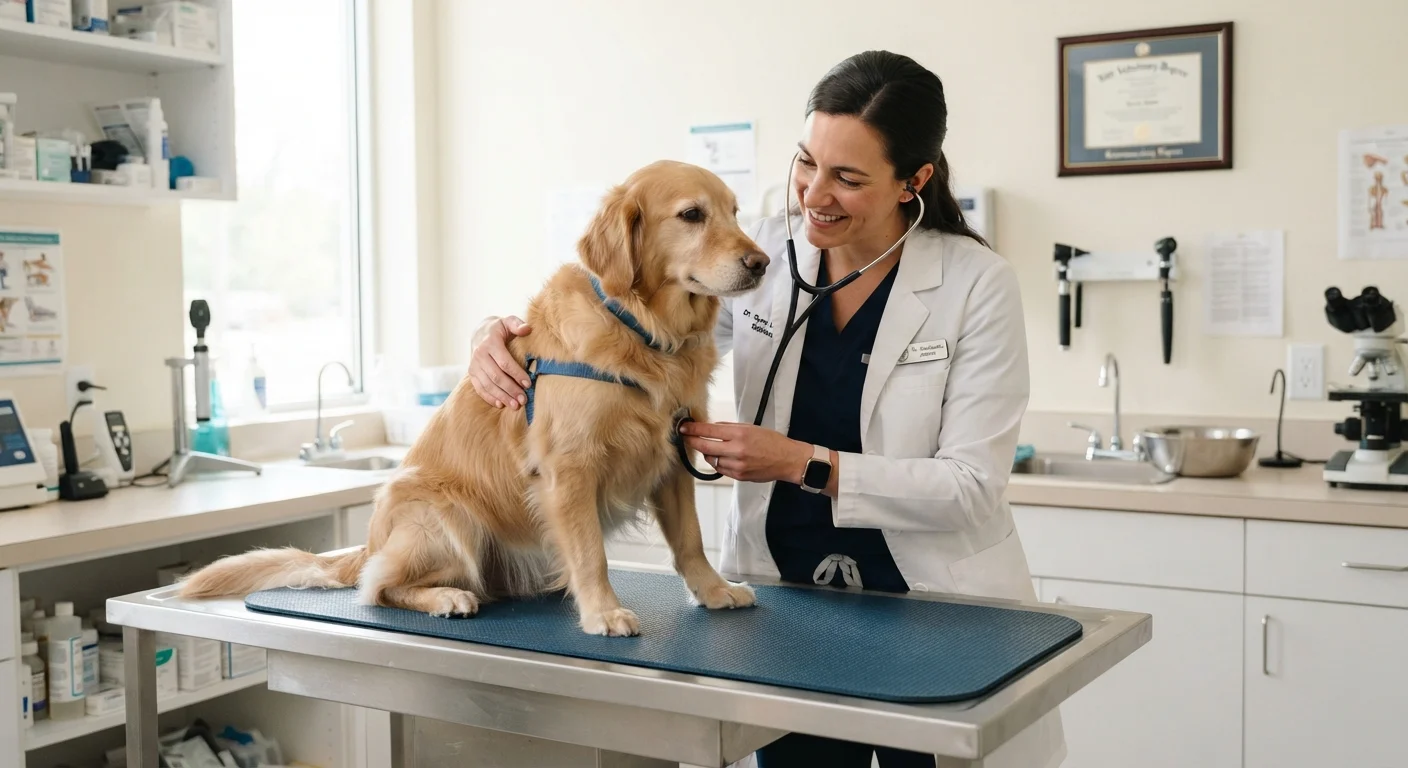
- Heart and lungs: A stethoscope reveals irregular rhythms, murmurs, or abnormal breath sounds that could indicate early cardiac or respiratory disease.
- Abdomen: Palpation helps detect organ enlargement, masses, discomfort, or unusual fluid accumulation.
- Musculoskeletal system: Joint range of motion, muscle condition, and gait are assessed — particularly important in aging or large-breed dogs.
Weight and body condition score are recorded at every visit. Even modest unexplained changes in weight can be an early signal of metabolic, hormonal, or gastrointestinal conditions. Weight management is closely tied to long-term health outcomes across most species.
Make the Most of Your Appointment
Write down any behavioral changes, changes in appetite or water intake, new lumps, or shifts in energy level before you arrive. Bringing a fresh stool sample — collected within 24 hours — means parasite screening can happen the same day. The more specific information you can share, the more targeted the exam can be.
Vaccinations, Parasite Prevention, and Lab Work
Beyond the hands-on exam, annual visits are when key preventive protocols are reviewed and updated.
Vaccinations: Your vet will assess which vaccines are due based on your pet's age, lifestyle, and local disease risk. Core vaccines — such as rabies and distemper combinations — follow established schedules, while non-core vaccines depend on individual exposure risk. Understanding which vaccines apply to your pet helps you have a more informed conversation with your vet.
Parasite screening: A fecal sample is used to screen for intestinal parasites including roundworms, hookworms, and giardia. Heartworm testing is typically recommended annually for dogs in most regions. The vet will also review flea, tick, and heartworm prevention products currently in use.
Routine diagnostics: Depending on your pet's age and history, the vet may recommend bloodwork, a urinalysis, or other diagnostics. These establish baseline values and can flag early changes in kidney, liver, or thyroid function before outward symptoms develop.
Lab Work Isn't Always Included by Default
Routine bloodwork and urinalysis are not automatically part of every wellness exam — they are often recommended based on your pet's age, breed, or history. Ask your vet whether baseline diagnostics make sense for your pet's current life stage. For senior pets especially, these tests are often strongly advised and can be highly informative.
What Changes With Age — and Why Frequency Matters
As pets grow older, the annual exam takes on added importance. Physiological changes in senior animals — typically defined as dogs and cats over seven years — can progress significantly within a single year. For this reason, many veterinary guidelines support twice-yearly exams for older pets.
During senior wellness visits, the vet pays particular attention to joint health, cognitive changes, weight shifts, and organ function. Blood pressure screening, thyroid testing, and additional bloodwork become more routine components. Planning for a senior pet's changing health needs is one of the most effective ways to maintain quality of life in later years.
For puppies and kittens, early-life visits are similarly intensive — covering a series of vaccinations, parasite treatment, socialization guidance, spay/neuter discussions, and nutritional planning. After this initial period, adult pets generally settle into the annual exam rhythm.
If you're considering how to budget for routine and unexpected veterinary care, our overview on how pet insurance works may be a useful next step. Understanding your coverage options before costs arise puts you in a stronger position.
This article is for general informational purposes only and is not a substitute for professional veterinary advice. Always consult a licensed veterinarian for guidance specific to your pet's health needs.
1 in 3
Pets have a hidden health issue at wellness visits
According to the American Veterinary Medical Association, routine exams frequently reveal conditions owners were unaware of, underscoring the value of preventive care.
2×/year
Recommended exam frequency for senior pets
Many veterinary organizations recommend biannual checkups for pets over seven, given how rapidly age-related conditions can develop between annual visits.
70%
Of pets over 3 show signs of dental disease
The American Veterinary Dental College estimates that the majority of dogs and cats exhibit early-stage periodontal disease by age three, often detected first at wellness exams.