

Key Takeaways
- Permit fees, inspections, and code-compliance upgrades add real dollars that most initial budgets ignore.
- Debris removal, dumpster rentals, and disposal fees are separate costs contractors may not include by default.
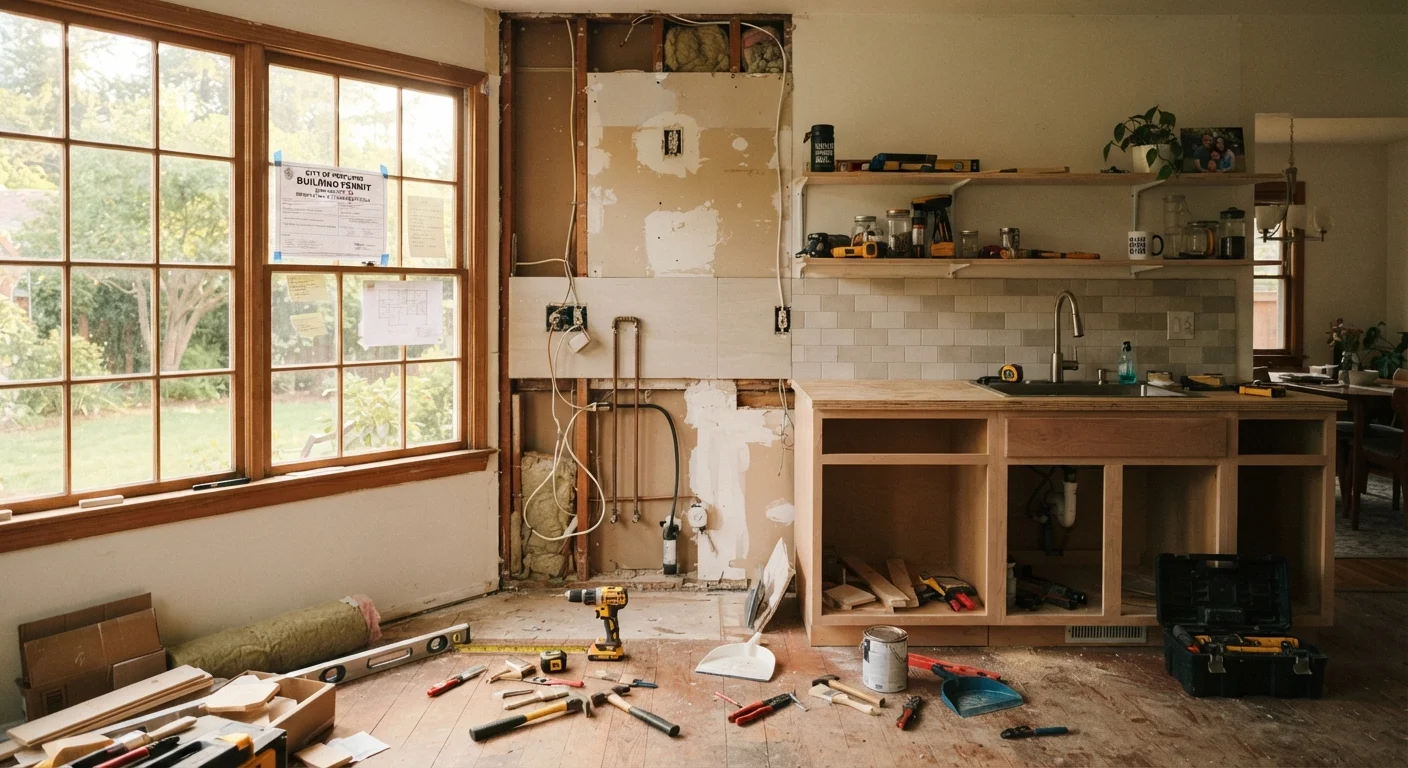
- Structural surprises — like rot, mold, or outdated wiring — are common once walls are opened and can significantly raise costs.
- A contingency fund of 10–20% of your total project budget is widely recommended by renovation professionals.
- Temporary living or storage arrangements during a renovation are easy to forget and can cost hundreds or more.
Why Renovation Budgets Consistently Come Up Short
Most homeowners build their renovation budget around the obvious line items: materials, labor, and fixtures. It's a reasonable starting point — but it's rarely the full picture. The costs that derail projects most often are the ones no one thought to include in the first place.
This isn't about reckless spending. It's about a planning gap. When you're excited about new countertops or a bathroom refresh, it's easy to anchor on the sticker price of the materials and miss the surrounding infrastructure of fees, surprises, and logistics that every renovation carries with it. Understanding these hidden costs before you start is the most effective way to avoid a budget crisis mid-project.
For a comprehensive look at planning your project from the ground up, see our full renovation planning guide.
Skipping the permit budget entirely.
Why it happens: Homeowners often assume permits are either the contractor's problem or a minor formality. In reality, permit fees, plan-review charges, and required inspections can add several hundred to several thousand dollars to a project's cost, depending on scope and municipality.
Forgetting debris removal and disposal costs.
Why it happens: When a contractor quotes demolition or a remodel, that quote often covers the labor of tearing things out — not necessarily hauling the debris away. Dumpster rentals, junk removal services, and landfill disposal fees are frequently separate line items that catch homeowners off guard.
Underestimating what's behind the walls.
Why it happens: No one can see inside a wall without opening it, and sellers and previous owners don't always disclose everything they know. Once work begins, it's common to find outdated wiring, water damage, mold, or structural rot — any of which can add significant cost and delay.
Ignoring code-compliance upgrade requirements.
Why it happens: When a permitted renovation triggers an inspection, inspectors may require that adjacent systems be brought up to current code — even if you weren't planning to touch them. Electrical panels, ventilation, smoke detectors, and egress windows are common examples.
Not budgeting for temporary living or storage costs.
Why it happens: A kitchen renovation that makes cooking impossible, or a bathroom remodel that leaves a household with one functioning toilet, often requires accommodations that weren't in the original plan — hotel stays, restaurant meals, or portable storage units for furniture.
Building Your True Budget: What to Add Before You Start
Once you understand the common mistakes, you can build a more accurate budget by layering in the costs that are easy to overlook.
10–20%
Recommended renovation contingency buffer
Renovation professionals widely advise reserving 10–20% of the total project estimate for unexpected costs and discoveries.
~35%
Renovations that exceed initial budget
Industry surveys have consistently found that a substantial share of home renovation projects run over their original budget, often due to unforeseen structural or system issues.
Start with a contingency buffer. Renovation professionals commonly recommend setting aside 10–20% of your total project estimate specifically for unexpected costs. This isn't pessimism — it's standard practice. Older homes, in particular, tend to reveal problems once work begins.
Request itemized contractor quotes. Ask explicitly whether debris removal, dumpster rental, permit filing, and haul-away fees are included. If they're not listed, assume they're not included and get a separate figure.
Call your local building department early. Before finalizing your budget, confirm which permits your project requires and what the fee schedule looks like. Some jurisdictions charge flat fees; others scale by project value. Either way, you need that number before signing contracts.
Don't Sign Until the Quote Is Fully Itemized
A lump-sum contractor quote may look complete but leave out permit filing, debris disposal, material delivery, and inspection fees. Before signing any contract, ask for a line-by-line breakdown and confirm in writing what is and isn't included. Assumptions made verbally rarely hold up when disputes arise later.
If your renovation is smaller in scope, our guide to low-cost, high-impact upgrades shows how to stretch a modest budget effectively without the complexity of a major project. And if you're uncertain which tasks are safe to tackle yourself versus hiring out, knowing when to call a licensed tradesperson can help you make that call confidently.
This article is for general informational purposes only and does not constitute financial, legal, or professional contracting advice. Permit requirements, fee structures, and local codes vary by jurisdiction — always verify current requirements with your local building authority and consult qualified professionals for work on your specific property.