

Key Takeaways
- The scalp is skin, and it responds to the same principles of cleansing, moisture balance, and gentle care.
- Sebum — natural scalp oil — is essential but becomes problematic when produced in excess or when buildup accumulates.
- Dandruff is most commonly linked to a naturally occurring yeast called Malassezia, not poor hygiene.
- Over-washing and under-washing both disrupt scalp health; the right frequency varies by person.
- Scalp condition directly influences the appearance, strength, and manageability of the hair shaft.
Scalp Health
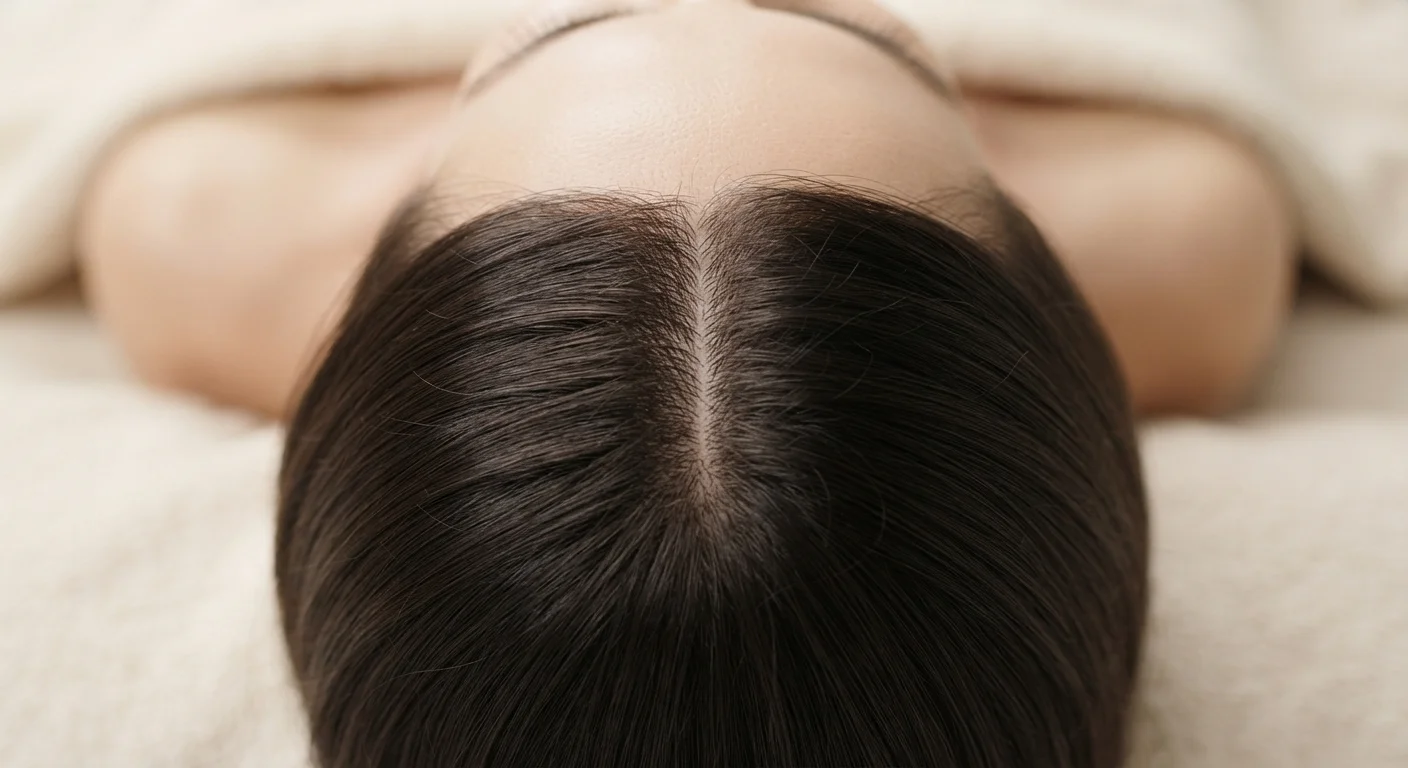
Scalp health refers to the condition of the skin on top of your head — including its oil balance, microbial environment, and the state of hair follicles. A healthy scalp is neither excessively oily nor tight and flaky, and it supports normal hair growth without chronic irritation. Think of it as the soil your hair grows from: what happens at the root level shapes everything that grows above it.
The scalp contains a higher density of sebaceous (oil-producing) glands than most other skin on the body, making it uniquely susceptible to both overproduction of sebum and disruption of its resident microbiome — the community of microorganisms that help regulate skin balance.
Why the Scalp Deserves Its Own Attention
Most hair care conversations focus on the strand — shine, frizz, breakage — but the condition of the hair you can see is largely determined by what's happening at the surface you can't. The scalp is living skin, and it operates on the same principles as the rest of your skin: it needs to be cleansed, kept in moisture balance, and protected from chronic irritation.
Neglecting scalp care often shows up as dull, limp, or brittle hair — outcomes that no amount of conditioning or styling product can fully reverse. For a broader view of how skin and hair care overlap, see our Skin & Hair Care hub for foundational context.
Treat Your Scalp Like Skin
Because the scalp is skin, many of the principles from facial care apply — gentle cleansing, avoiding over-stripping, and paying attention to how your scalp responds to products. If you're building a broader skin care routine, our guide to a minimal skincare routine that works can help you think about both together.
Sebum: Your Scalp's Built-In Conditioner
Sebum is the natural oil secreted by sebaceous glands at the base of each hair follicle. It coats the hair shaft, providing lubrication and a mild barrier against moisture loss and environmental damage. Without any sebum, hair becomes brittle and the scalp feels tight and uncomfortable.
The challenge is balance. Too little sebum — common in people who over-wash or use harsh sulfate-based shampoos — leads to dryness and sensitivity. Too much, and the scalp feels greasy quickly, pores can become congested, and the conditions that promote dandruff become more favorable. Sebum production is influenced by genetics, hormones, diet, and even stress levels, which is why two people with identical hair care routines can have very different scalp experiences.
~50%
Adults affected by dandruff globally
Research published in dermatology literature consistently estimates that dandruff affects roughly half the adult population at some point, making it one of the most prevalent scalp conditions worldwide.
900+
Sebaceous glands per square centimeter on the scalp
The scalp has one of the highest concentrations of oil-producing glands on the body, which is why sebum management is central to scalp health.
Dandruff: What's Actually Happening
Dandruff is one of the most common scalp concerns across all hair types and backgrounds, yet it's routinely misunderstood. The most prevalent cause is a naturally occurring yeast called Malassezia globosa, which feeds on sebum and produces byproducts that some scalps react to with inflammation and accelerated skin cell turnover. The result: visible flaking.
This means dandruff isn't primarily a hygiene issue, and washing more often doesn't reliably fix it. Antifungal ingredients — such as zinc pyrithione, selenium sulfide, or ketoconazole — are the evidence-backed active ingredients most commonly used to address it. For persistent or severe flaking accompanied by redness, a dermatologist visit is the most appropriate next step rather than cycling through products.
Dandruff vs. Dry Scalp: Not the Same
A dry scalp produces smaller, whiter flakes and is often accompanied by tightness or sensitivity. Dandruff tends to produce larger, oilier flakes and is associated with sebum-rich conditions. The distinction matters because the care approaches differ — moisturizing a dandruff-prone scalp without addressing the yeast component can worsen symptoms.
Habits That Support a Healthy Scalp Environment
The fundamentals of scalp health aren't complicated, but they do require consistency. A few principles hold across hair types and textures:
- Match wash frequency to your scalp, not a calendar. Fine, straight, or oily hair typically needs more frequent cleansing than coarse, curly, or textured hair. Over-washing strips sebum and triggers compensatory oil production; under-washing allows buildup that can clog follicles and irritate skin.
- Rinse thoroughly. Product residue left on the scalp after washing is a common, underappreciated source of irritation and buildup.
- Be gentle with mechanical friction. Aggressive scrubbing or tight hairstyles can inflame the scalp and stress hair follicles over time.
- Consider ingredient sensitivity. Certain silicones, heavy waxes, or fragrances in styling products can accumulate on the scalp and disrupt its balance.
For those dealing with the specific challenge of an oily scalp paired with dry ends — a common mismatch — our article on oily scalp and dry ends covers targeted strategies. And if you're interested in which popular haircare habits — like scalp massage — actually affect hair growth, separating scalp folklore from physiology is worth reading alongside this piece.
This article is for general informational purposes only and is not a substitute for professional medical or dermatological advice. If you have concerns about your scalp or hair health, consult a qualified healthcare provider.