

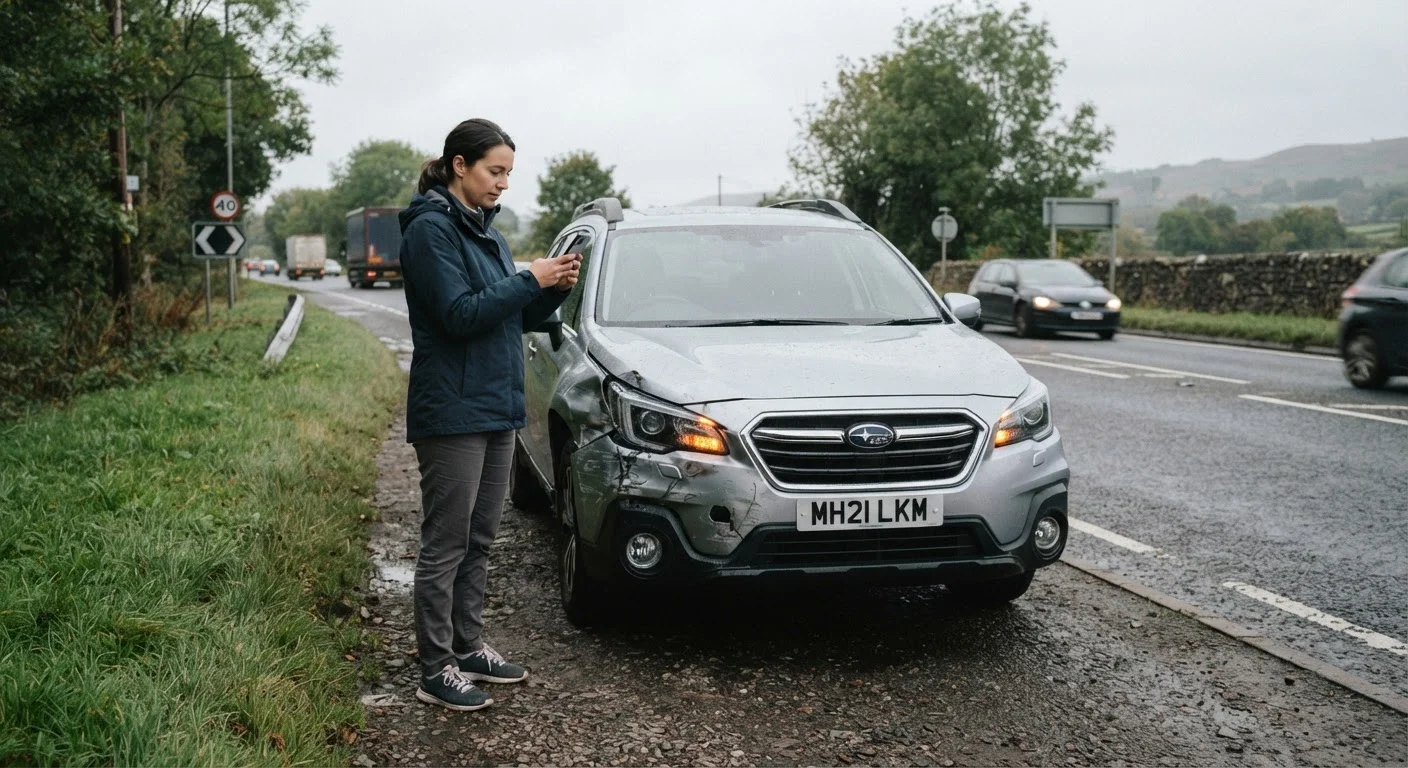
Key Takeaways
- Document the scene thoroughly before moving vehicles, if it is safe to do so.
- Notify your insurer promptly — most policies require timely reporting after an incident.
- Understanding your deductible and coverage types helps set realistic expectations before you file.
- Filing a claim does not automatically raise your premiums; several factors determine that outcome.
- Keep a written record of every communication with your insurer throughout the process.
What you will need
Why the Claims Process Feels More Complicated Than It Should
Filing a claim is straightforward in principle — you report an incident, your insurer assesses the damage, and you get reimbursed minus your deductible. In practice, people run into trouble because they don't know what information to gather, they wait too long to report, or they're unsure which coverage even applies to their situation.
Before you ever file a claim, it's worth understanding your policy. If terms like collision coverage, comprehensive, or uninsured motorist aren't clear to you, our guide to coverage types breaks down exactly what each one covers and when it applies. That knowledge makes a real difference when you're standing at a scene deciding whether to file at all.
Know Your Policy Before You Need It
The middle of an accident scene is not the time to discover what your policy covers. Review your declarations page now — specifically your deductible amounts, coverage types, and any exclusions. If you are unsure what each coverage type means, our coverage breakdown guide explains each one in plain language.
Smartphone camera
Photograph vehicle damage, road conditions, license plates, and the surrounding scene.
Insurance ID card or app
Provides your policy number and insurer contact information at the scene.
Pen and notepad (or notes app)
Record driver details, witness names, officer badge numbers, and claim reference numbers.
Police report copy
Official documentation of the incident that supports your claim and establishes a record.
Step-by-Step: How to File Your Claim
What you will need
Ensure Safety and Call for Help
Move to a safe location if possible and check for injuries. Call 911 if anyone is hurt or if the vehicles are blocking traffic. Even in minor incidents, a police report creates an official record that can support your claim — request one when officers arrive.
Document Everything at the Scene
Take wide-angle and close-up photos of all vehicle damage, final resting positions of the cars, skid marks, traffic signals, and weather conditions. Photograph the other driver's license, registration, and insurance card. Note the time, exact location, and direction each vehicle was traveling.
Collect contact information from any witnesses before they leave — their accounts can be valuable if liability becomes disputed.
Exchange Information With the Other Driver
Gather the following from every other driver involved:
- Full name and contact number
- Driver's license number and state
- License plate number
- Insurance company name and policy number
- Vehicle make, model, and year
Provide your own information in return. Keep the interaction factual and brief.
Notify Your Insurer Promptly
Contact your insurance company as soon as it is practical — ideally the same day. Most policies require "prompt" or "timely" reporting, and delays can complicate your claim. When you call, have your policy number, the documented scene details, and the other driver's information ready.
The insurer will assign a claim number and connect you with an adjuster who manages your case from this point forward.
Understand the Damage Assessment Process
Your insurer will arrange for a damage estimate — either through an approved repair shop, an independent appraiser, or a virtual inspection using your photos. You generally have the right to obtain your own estimate, though your insurer's payment is typically based on their assessment.
If your car is undriveable, ask about rental car reimbursement coverage. Whether this applies depends on whether you have that coverage on your policy — check your declarations page or ask your adjuster directly.
Track All Communications and Expenses
Keep a running log of every call, email, and letter: date, time, who you spoke with, and what was discussed. Save all receipts related to the incident — towing, rental cars, medical copays if applicable. This documentation protects you if any detail becomes disputed later.
If your claim involves injury or significant property damage, consider consulting an attorney before accepting a settlement. This is especially relevant if the other driver was uninsured or if liability is unclear.
Create a Claims Contact Sheet in Advance
Store your insurer's claims phone number and your policy number in your phone and in your glove box. When you're shaken up after an accident, hunting for this information adds unnecessary stress. Many insurers also have mobile apps that allow you to start a claim directly from the scene.
Will Filing a Claim Raise Your Rates?
This concern stops some drivers from filing legitimate claims — which often costs them more in the long run. The honest answer is: it depends. Insurers consider the type of claim, who was at fault, your claims history, and your state's regulations when deciding whether to adjust your premium at renewal.
A single not-at-fault claim in a long claim-free history often has minimal or no effect on your rate. A pattern of claims, or an at-fault incident, is more likely to result in an increase. If you're weighing whether to file, compare the repair cost against your deductible and the potential rate impact — but don't let fear of a rate change lead you to absorb a significant loss out of pocket.
Do Not Admit Fault at the Scene
Expressing fault verbally — even apologetically — can complicate how liability is determined. Stick to exchanging information and let the insurers and, if necessary, law enforcement sort out responsibility. What feels obvious in the moment may not reflect the full picture once all facts are reviewed.
If concerns about coverage or rates are making you consider switching insurers, understand that timing matters. Our guide on switching policies without a coverage gap walks through how to do it correctly. And if you've encountered advice that doesn't sound right — like the idea that filing always raises your premium — our article on common insurance myths addresses the most widespread misconceptions.
This article provides general information about the auto insurance claims process and is not a substitute for personalised advice from a licensed insurance professional. Coverage terms, claim outcomes, and premium impacts vary by insurer, policy, and state. Always review your actual policy documents and consult your insurer or a licensed agent with questions specific to your situation.