

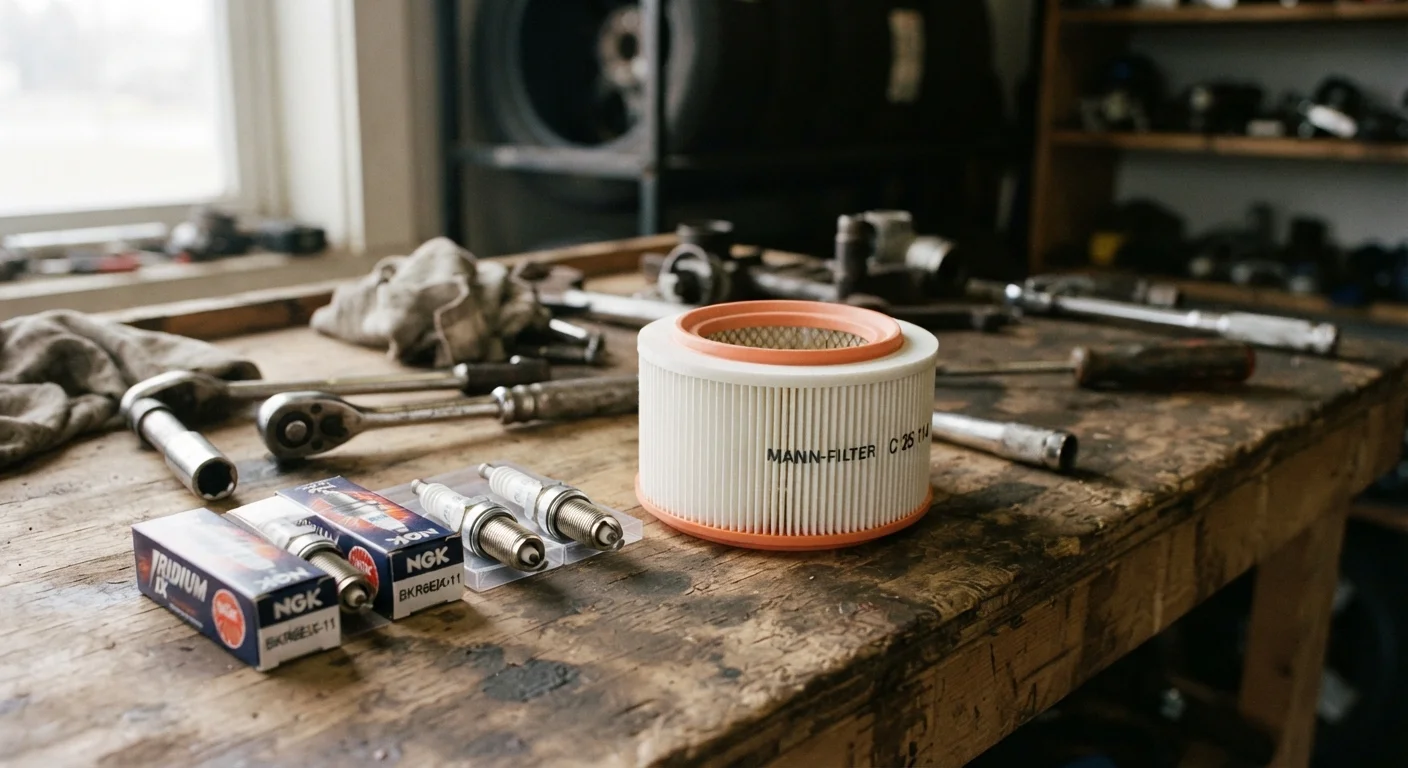
Key Takeaways
- Dirty or worn components like air filters and spark plugs can measurably reduce fuel efficiency and engine response.
- Most of these parts are inexpensive and have manufacturer-recommended replacement intervals worth following.
- Neglecting small maintenance items often leads to larger, costlier repairs down the road.
- Drivers don't need to be mechanics to understand which parts matter most and when to address them.
The Small Parts Doing Heavy Lifting
Your car's engine is a precision system, and some of its most consequential components are also its most overlooked. While most drivers are diligent about oil changes, smaller parts — air filters, spark plugs, fuel injectors, PCV valves — tend to slip off the maintenance radar until something clearly goes wrong. By then, the engine has often been operating below its potential for months.
Understanding what these components actually do, and when they typically need attention, gives everyday drivers a real edge. You don't need a mechanic's training to act on this information — just a basic awareness of what's under the hood and why it matters. For a broader look at keeping your vehicle in shape year-round, see our seasonal car care guide.
Engine Air Filter
The engine air filter screens out dust, pollen, and debris before air enters the combustion chamber. When it becomes clogged, the engine has to work harder to pull in the air it needs, which can reduce throttle response and, over time, fuel efficiency.
Most manufacturers recommend inspecting the air filter every 15,000 to 30,000 miles, though drivers in dusty or high-pollen environments may need to check it more frequently. A visually dirty or gray filter is a reliable signal that replacement is overdue. This is one of the more accessible DIY tasks on most vehicles — the filter housing is typically visible under the hood and requires no special tools.
A clogged air filter forces the engine to work harder, quietly trimming fuel efficiency.
Spark Plugs
Spark plugs ignite the air-fuel mixture inside each cylinder. Worn plugs produce a weaker or inconsistent spark, which leads to incomplete combustion — a condition known as misfiring. The effects include rough idling, hesitation during acceleration, reduced power, and worse fuel economy.
Standard copper spark plugs typically require replacement around every 30,000 miles, while extended-life iridium or platinum plugs can last 60,000 to 100,000 miles or more depending on the vehicle. Checking your owner's manual for the specific interval and plug type recommended for your engine is important, as using the wrong specification can affect performance. Replacement is straightforward on many engines but can be more involved on others — a qualified mechanic should handle the job if the plugs are difficult to access.
Worn spark plugs cause misfires and rough idling long before drivers notice anything is wrong.
Cabin Air Filter
While it doesn't affect engine performance, the cabin air filter directly impacts HVAC efficiency and interior air quality. A saturated filter restricts airflow through the heating and cooling system, forcing the blower motor to work harder — which adds a small but real load on the engine and electrical system.
Replacement intervals generally fall between 15,000 and 25,000 miles, though this varies by vehicle and environment. Reduced airflow from the vents, musty odors, or increased fan noise are practical signs the filter needs attention. It's among the easiest filters to replace and is typically located behind the glove box or under the dashboard.
A clogged cabin filter forces the HVAC blower to work harder, adding unnecessary load to the system.
PCV Valve
The Positive Crankcase Ventilation (PCV) valve regulates the flow of gases from the engine crankcase back into the intake manifold, where they're burned off rather than vented to the atmosphere. A stuck or clogged PCV valve can cause excessive pressure to build in the crankcase, leading to oil leaks, sludge buildup, and rough idle.
This small, inexpensive component is often overlooked because it lacks a standardized service interval on many maintenance schedules. Many mechanics recommend inspecting it during tune-ups or roughly every 30,000 miles. Replacing a faulty PCV valve is typically a low-cost repair, but its effects when neglected — engine sludge and oil seal damage — can become expensive.
A failed PCV valve can cause oil leaks and engine sludge, yet it's rarely on standard maintenance checklists.
Fuel Injectors
Fuel injectors atomize gasoline and deliver precise spray patterns into the combustion chamber. Deposits from fuel additives and combustion byproducts build up on injector tips over time, disrupting the spray pattern and leading to incomplete combustion, rough idle, hesitation, and reduced fuel economy.
Unlike filters and plugs, injectors don't have a universal replacement interval — they're designed to last the life of the engine with proper maintenance. However, cleaning them periodically (through a professional flush service or quality fuel system treatments used as directed) can restore lost performance. Severely clogged or damaged injectors typically require professional diagnosis and service. For vehicles spending extended time in storage, fuel degradation can accelerate injector deposits — our guide to non-use vehicle care covers how to protect the fuel system during long lay-ups.
Deposit buildup on fuel injectors disrupts the spray pattern that clean, efficient combustion depends on.
Mass Airflow Sensor
The mass airflow (MAF) sensor measures the volume and density of air entering the engine, feeding that data to the engine control unit (ECU) so it can calculate the correct fuel injection amount. A dirty or failing MAF sensor sends inaccurate readings, causing the ECU to deliver too much or too little fuel — resulting in poor fuel economy, stalling, or difficulty starting.
MAF sensors can become contaminated with dust and oil vapor over time. Some mechanics recommend periodic cleaning with a designated MAF sensor cleaner as a preventive measure, particularly after air filter replacement. A faulty sensor will typically trigger a check engine light and a diagnostic trouble code, at which point professional evaluation is the appropriate next step.
A contaminated MAF sensor feeds the ECU bad data, leading to fuel waste and unreliable engine behavior.
Staying Ahead of the Curve
The pattern across all these components is the same: small, gradual degradation that rarely announces itself loudly, but accumulates into real performance and efficiency losses. Consulting your owner's manual for replacement intervals is the single most reliable starting point — manufacturer guidance is based on engineering data specific to your engine.
Use Your Owner's Manual as a Starting Point
Manufacturer-specified service intervals are the most reliable guide for replacement timing — not generic rules of thumb. Your owner's manual lists the correct part specifications, interval recommendations, and any conditions (severe duty, dusty environments) that warrant more frequent service. If you no longer have a physical copy, most automakers make them available through their websites or dealership service departments.
Pairing attention to these components with good driving habits compounds the benefit. Our guide on fuel economy and the habits that quietly drain your tank covers the behavioral side of efficiency. And if you're managing a vehicle with significant miles, the high-mileage car maintenance guide offers a practical framework for prioritizing what matters most.
Staying current on these modest maintenance tasks is one of the more cost-effective things you can do as a vehicle owner — keeping repair bills smaller and your driving experience noticeably better.