

Key Takeaways
- Minor vehicle issues rarely stay minor — they typically compound into larger, more expensive failures over time.
- Brake pads, coolant levels, and oil quality are among the most consequential small items to monitor regularly.
- Addressing a warning light or unusual noise promptly almost always costs less than waiting until the problem worsens.
- Building a simple inspection habit — even just a monthly visual check — can catch issues before they cascade.
Small Problems, Big Consequences
Most major vehicle breakdowns don't happen without warning. They follow a predictable pattern: a minor symptom gets noticed, then ignored, then forgotten — until the car is sitting on the side of the road or in a shop bay with a repair bill that feels shocking but, in hindsight, was avoidable.
The gap between a $30 fix and a $1,500 repair is usually just time. Understanding where these escalation points exist — and why drivers tend to miss them — is the most practical thing you can do for your vehicle and your wallet. For a broader look at how small neglect compounds over time, see how routine neglect snowballs into serious costs.
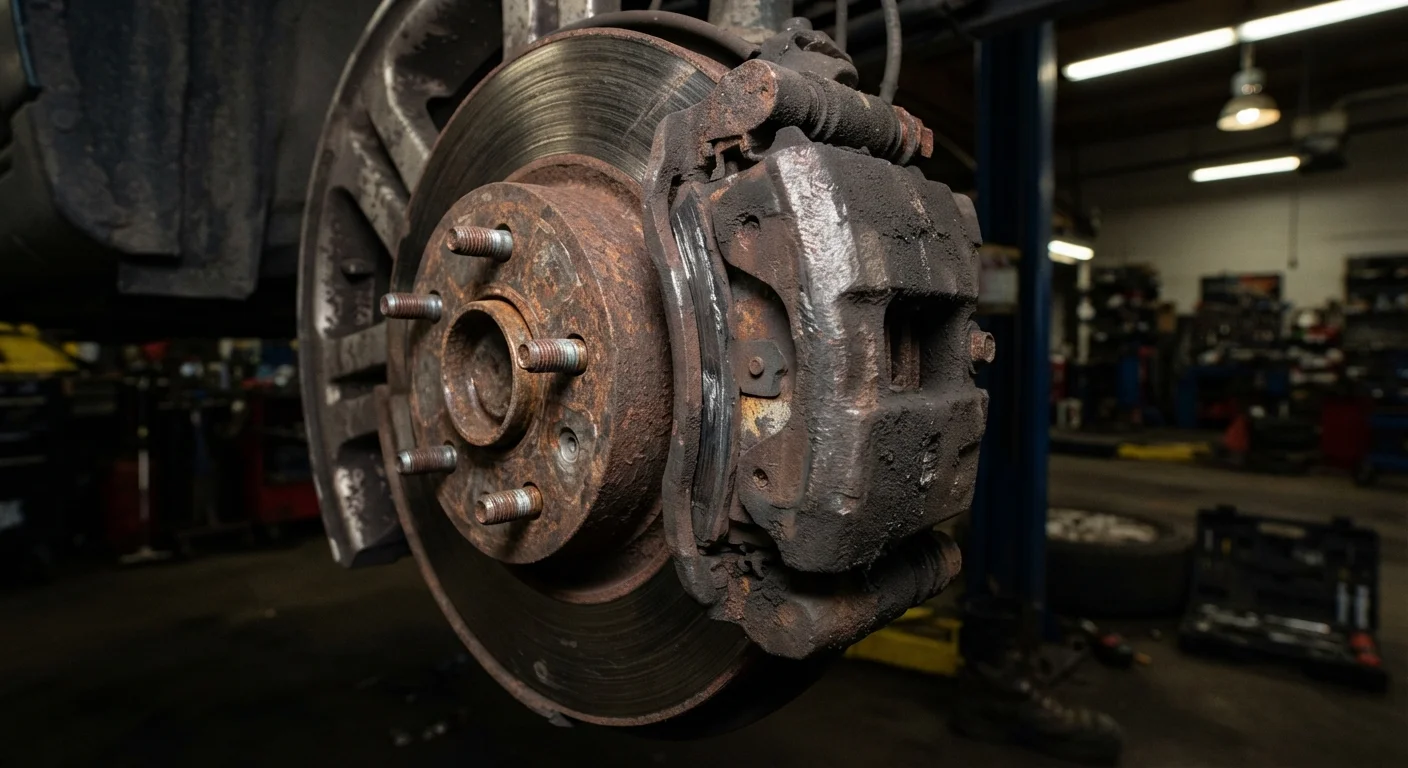
Ignoring the low brake pad warning until metal-on-metal contact occurs.
Why it happens: Brake wear is gradual and easy to dismiss, especially when the car still stops adequately. Drivers often assume a squeal is temporary or environmental.
Letting coolant run low or go unchanged, inviting overheating and engine damage.
Why it happens: Coolant is invisible during normal driving, and low levels don't trigger an obvious symptom until the temperature gauge climbs — often too late.
Dismissing a check engine light because the car seems to drive fine.
Why it happens: Without an immediate performance change, many drivers assume the light is a sensor glitch and delay diagnosis indefinitely.
Topping off oil instead of addressing the underlying consumption or leak.
Why it happens: Adding a quart of oil is cheaper and faster than a shop visit, so it becomes a habit rather than a stopgap.
Delaying a cracked or chipped windshield repair until a full replacement is required.
Why it happens: Chips often seem cosmetic and stable, making them easy to deprioritize in a busy schedule.
Building the Habit That Prevents the Bill
Avoiding deferred-repair traps doesn't require mechanical expertise. It requires attention and a low threshold for action. A quick monthly walkaround — checking tire pressure, scanning for fluid spots under the car, listening for new sounds — takes under five minutes and can surface problems while they're still inexpensive.
3x–5x
Cost multiplier for deferred brake repairs
Industry repair data consistently shows that replacing rotors alongside worn pads costs several times more than replacing pads alone on schedule.
~$150
Typical cost to fill a windshield chip
Compared to windshield replacement, which commonly runs $300–$600 or more depending on vehicle and features, early intervention represents substantial savings.
When something does come up, the decision of whether to handle it yourself or visit a shop matters. Some tasks — like topping off windshield washer fluid or replacing a cabin air filter — are genuinely straightforward. Others, like diagnosing a persistent warning light or inspecting brake hardware, benefit from a trained eye. Understanding which jobs fall into which category helps you avoid both unnecessary shop visits and DIY overreach.
High-mileage vehicles deserve extra attention here. Wear rates accelerate as components age, meaning the same small symptom carries higher urgency in a vehicle with significant miles. Prioritizing maintenance on older vehicles requires a slightly different lens than caring for a newer car.
Don't Delay Symptoms That Affect Safety
Brake feel changes, steering pull, or any warning light related to braking, steering, or engine temperature should not wait for a scheduled appointment. These symptoms can indicate conditions that affect vehicle control. Have them inspected promptly by a qualified mechanic.
This article is for general informational purposes only. Always consult a qualified mechanic for diagnosis and repair decisions specific to your vehicle.